
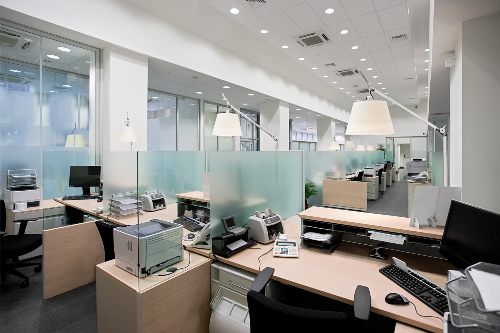
Moving an entire office often requires many changes, including deciding which furniture to move, sell, donate, or dispose of before the transition. An office furniture liquidation typically covers workstations, seating, storage and filing systems, conference room furniture, and older technology pieces such as printers or monitors, since these are the categories most businesses accumulate in the highest volume over time. How much of that furniture can be sold, donated, or recycled, and how much value it can potentially recover, often comes down to age, condition, and brand.
Hiring a professional team of movers can help relieve the stress of disassembling, transporting, and delivering liquidated furniture to its next destination, whether that is a buyer, a donation center, or storage. At CRS Moving & Storage, our team supports businesses through every stage of liquidating office furniture, from the initial inventory to final disposal, so you can focus on the rest of your move.
Common Furniture Types Included in an Office Liquidation
When it is time to move your company office or update your space, you may wonder exactly what qualifies for liquidation. Small businesses and large companies alike tend to restructure their furniture inventory in similar ways, since most offices accumulate the same general categories of items over the years. When liquidating furniture, you can typically expect to sell, donate, or dispose of the following:
- Desks, workstations, and cubicle or panel systems
- Office chairs, task seating, and conference chairs
- Height-adjustable and sit-stand desks
- Conference tables, side tables, and end tables
- Filing cabinets and other storage or shelving units
- Sofas, lounge seating, and reception furniture
- Printers, fax machines, monitors, and other older office electronics
- Old carpeting, advertising materials, and signage
Not every item on this list holds the same value once it reaches the liquidation stage. Newer, well-maintained pieces from established manufacturers are more likely to sell, while items that have reached the end of their useful life are usually better candidates for donation or recycling.
How Furniture Condition and Brand Affect Liquidation Value
The age and condition of your furniture play a large role in what you can recover from a liquidation. Furniture that shows heavy wear, missing hardware, or an outdated design is harder to resell and often moves faster through donation or recycling instead. Pieces that are still structurally sound and reasonably current in style tend to hold more resale interest, particularly in a market like New York, where office space turns over frequently. Depending on the quality and condition of your existing furniture, you may have the option to sell your items rather than donate or recycle them.
Brand recognition matters significantly. Commercial-grade furniture from established manufacturers including Herman Miller, Steelcase, Haworth, and Knoll can retain 20 to 40 percent of original cost in the secondary market, depending on age and condition. Buyers and resellers actively seek these names because of the durability and long service life associated with them. By contrast, generic particle-board desks, budget task chairs, and aging cubicle systems from unrecognized manufacturers typically have limited resale value and are better suited for donation or responsible disposal.
Within the high-value category, certain items draw particular interest. Ergonomic task chairs from top manufacturers are consistently in demand on the secondary market. Height-adjustable and sit-stand desks have strong resale interest given their continued adoption in workplaces. Modular workstation systems from established commercial brands are sought by resellers who can reconfigure them for new clients. Knowing which pieces in your inventory fall into this category can help you decide where to focus selling efforts and where donation or recycling makes more sense.
Selling, Donating, or Recycling: Choosing the Right Path for Each Item
Once you know what you are working with, the next step is deciding what happens to each category of furniture. Some pieces may be worth selling to a reseller or another business, particularly higher-value items in good condition. Others make more sense to donate, especially when donating used office furniture for potential tax benefits outweighs the time it would take to find a buyer. Items that are too worn or outdated for either option are usually better suited for recycling or responsible disposal.
This decision matters beyond your own bottom line. According to EPA data on furniture and furnishings waste, most furniture discarded in the United States each year is sent to landfills, with only a small share recovered through recycling or other paths. Choosing sustainable office furniture disposal methods when a sale or donation is not possible can help keep more usable material out of the waste stream.
Handling IT Equipment in a Liquidation
Technology assets require a separate track from furniture during any office liquidation. Computers, laptops, monitors, tablets, phones, and networked devices must have data fully wiped using certified destruction methods before they leave the building. Simply deleting files or restoring factory settings is not sufficient for business equipment that may contain client records, financial data, or confidential communications. Certified data destruction generates documentation confirming the device was properly sanitized, protecting your organization from liability if data is later found to be recoverable.
Once data is cleared, IT equipment follows a different value assessment than furniture. Technology depreciates rapidly, and a server or workstation that cost several thousand dollars three years ago may be worth only a fraction of that today. Specialized equipment such as high-capacity printers, AV systems, or purpose-built industrial gear can retain more value if in working condition and there is an active market for it. Your liquidation partner can assess which technology pieces are worth routing to resale and which are better handled through a certified e-waste recycler.
Preparing Your Furniture Inventory Before You Liquidate
A smooth liquidation starts well before moving day. Walking through your space and documenting what you have, including quantity, condition, and rough age, gives you a clearer picture of what can be sold, donated, or recycled. This is also the point where many businesses realize they own more usable furniture than expected, or that certain pieces need minor repair before they can be resold.
If you want a full walkthrough of this process, our guide on preparing for an office furniture liquidation covers timelines, inventory steps, and how to coordinate the process around your move date. It is worth reviewing early, especially if you are also watching for signs it might be time to liquidate your office furniture before a lease ends or a relocation is finalized.
How CRS Moving & Storage Supports Office Furniture Liquidation
Disposing of or liquidating office furniture is one way many companies recover funds to put toward updated furnishings or a new space. Factors such as the furniture market, along with the quality and quantity of what you own, can limit how much you are able to sell, which is why having a team that understands the physical side of liquidation matters just as much as the sales side.
Our team at CRS Moving & Storage handles the disassembly, transport, and delivery involved in a liquidation, whether your furniture is headed to a buyer, a donation center, or storage while you finalize your moving and storage plans. We work with businesses of different sizes and inventory levels, so the process can flex around your timeline. If you would like to talk through your options, complete our contact form to schedule a consultation.
CRS Moving & Storage has supported commercial moves, storage, and office liquidations across New York City, with newer service areas in Los Angeles, San Diego, and New Jersey. Our team brings the equipment, staffing, and warehouse space needed to manage furniture liquidation projects of any size, from a single floor to a full headquarters.
If you are preparing to sell, donate, or dispose of unwanted office furniture, our team can walk you through your options and build a plan around your timeline. Reach out to our team to get started on your office furniture liquidation.
Frequently Asked Questions About Office Furniture Liquidation
Here are answers to common questions we hear from businesses planning a furniture liquidation.
What types of furniture are typically included in an office liquidation?
Most office liquidations include desks, workstations, cubicle or panel systems, office chairs, conference tables, filing cabinets, storage units, and reception or lounge seating. Height-adjustable and sit-stand desks are increasingly common. Older printers, monitors, and other technology, along with worn carpeting or signage, often get included as well. The exact mix depends on your office size and how long the furniture has been in use, but these categories make up the bulk of most liquidations.
Can office furniture be sold, donated, and recycled in the same liquidation?
Yes, most liquidations combine all three approaches. Higher-value pieces in good condition from established commercial brands are often sold, gently used items may go to donation centers, and furniture that is too worn or outdated for either option can be recycled or responsibly disposed of. Splitting your inventory this way can help you recover some funds while still clearing out items that would not attract a buyer on their own.
Does the brand or condition of furniture affect what a business can recover from liquidation?
Yes, both play a significant role. Furniture from established commercial manufacturers such as Herman Miller, Steelcase, Haworth, and Knoll, in solid structural condition, can retain 20 to 40 percent of its original cost on the secondary market. Generic or heavily worn pieces have limited resale value and are often better suited for donation or recycling. Ergonomic chairs, height-adjustable desks, and modular workstation systems from recognizable brands tend to generate the strongest buyer interest.
What happens to office furniture that cannot be sold or donated?
Furniture that is too worn, outdated, or damaged for resale or donation is typically recycled or disposed of through responsible waste channels. According to EPA data, a large share of discarded furniture in the United States still ends up in landfills each year, so working with a team that prioritizes recycling and donation first can potentially reduce how much of your inventory takes that path.
How far in advance should a business start planning a furniture liquidation?
Most businesses benefit from starting the inventory and planning process several weeks to a few months before their move or lease end date, depending on the size of the office. Starting early is especially important for high-value pieces you want to sell, since resellers and buyers need time to evaluate, photograph, and find end buyers rather than accepting a last-minute fire sale price.
Are there tax benefits to donating liquidated office furniture?
Donating usable office furniture to a qualified 501(c)(3) organization may offer a tax deduction based on the fair market value of the donated items, though the specifics depend on your situation and documentation and should be confirmed with a tax advisor. Many businesses choose to donate furniture that is still in good condition but not likely to sell quickly, which can provide a financial benefit while also keeping usable items out of landfills.