
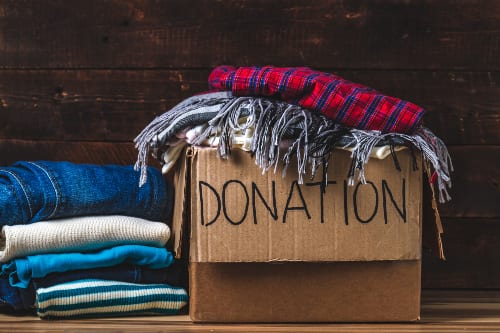
When businesses relocate or downsize, the question of what to do with leftover office equipment and furniture comes up quickly. Desks, chairs, filing cabinets, monitors, and printers accumulate over years of operation, and not all of it makes sense to move to a new location. Rather than sending functional items to a landfill, companies have a better option: donating them to organizations that can put them to immediate use. Donation reduces waste, benefits the community, and comes with real financial advantages for your business.
At CRS Moving & Storage, we help companies in New York and across the country manage every aspect of an office relocation, including the responsible disposal and donation of items that will not be moving to the new space. Our team handles the logistics so you can focus on the bigger picture of getting your business set up in its new home.
Lightening Your Load Makes for an Easier Move
Offices naturally accumulate items over time. Equipment gets upgraded, layouts change, and furniture that once served a purpose ends up sitting unused. Before your move date arrives, take stock of what you actually need to bring. Sorting items into categories, including what moves with you, what gets donated, and what gets recycled, can significantly reduce the volume you need to transport.
With any commercial relocation, a lighter load means fewer packing hours, shorter moving times, and reduced costs. Mindfully going through your office in the weeks before the move also keeps moving day more organized and less stressful for everyone involved. If you are unsure what to do with items you are leaving behind, our office furniture disposal and liquidation services can help you make the right call for each piece.
How to Determine What to Donate, Recycle, or Dispose Of
Not every item left behind is a good candidate for donation. Understanding the difference helps you allocate time wisely and avoids the frustration of having items rejected by a charity on pickup day.
Items that are generally accepted for donation include desks, chairs, tables, filing cabinets, bookshelves, and conference room furniture in good working condition with no significant damage, staining, or structural problems. Computers, monitors, and printers in functioning condition are also frequently accepted, particularly by schools and nonprofits running workforce development programs.
Items that typically cannot be donated include anything broken, heavily worn, or contaminated, as well as office equipment that contains hazardous materials. Electronics that are no longer functional should go through a certified e-waste recycling channel rather than a standard donation. Many municipalities, including New York City, have specific e-waste disposal requirements, and simply disposing of electronics in regular trash or landfill is both illegal and environmentally harmful.
A practical approach is to walk through the office with a clipboard before any packing begins, tagging each item as donate, recycle, dispose, or move. This sorting step takes a few hours but saves significant time and cost on removal day.
The Tax Deduction Benefit
Donating non-cash property to a qualified charity may allow your business to claim a deduction based on the fair market value of the donated items. According to the IRS, businesses that donate property to qualifying organizations may be eligible for charitable contribution deductions on their tax returns. The exact amount depends on the type of property, the receiving organization, and applicable income limits.
Whenever you make a donation, collect a written receipt from the recipient organization that details the items donated, the date, and their estimated value. For donations of property valued above $500, the IRS requires Form 8283 to be attached to your tax return. For donations exceeding $5,000 in value, a qualified independent appraisal is generally required. Your tax advisor can confirm the documentation thresholds that apply to your specific situation.
NYC Organizations That Accept Office Furniture and Equipment Donations
New York City has a range of organizations that actively seek donated office furniture and equipment, though availability, item requirements, and pickup logistics vary. It is always worth confirming current acceptance policies directly with any organization before coordinating a pickup.
Habitat for Humanity ReStores accept a range of furniture and building materials, with some locations offering pickup for qualifying donations. Housing Works, which operates thrift stores across the city, accepts furniture donations and puts proceeds toward HIV/AIDS services. Big Reuse in Brooklyn focuses on salvaging usable items and accepts furniture donations, typically for larger volume lots. The Furniture Donation Project, run through officefurniturenyc.com, matches companies liquidating offices with nonprofits looking for specific pieces, though the donor is responsible for arranging transport. DonateNYC, operated through the NYC Department of Sanitation, maintains a directory of nonprofit partners that accept various categories of donations and is a useful starting point for locating organizations near your office location.
For businesses donating functioning computers, monitors, and other technology, organizations focused on digital equity and workforce development are worth researching. Many schools, community centers, and job training programs accept refurbished equipment and can provide documentation for your tax records.
Electronics and IT Asset Donation
Technology assets require a separate track from furniture during an office cleanout. Computers, laptops, tablets, phones, and network equipment that still function and hold value should be handled through IT asset disposition (ITAD) rather than a general furniture donation. ITAD involves a structured process of data wiping or destruction, assessment of reuse or resale value, and routing items to the appropriate channel, whether that is a certified refurbisher, a donation program, or a certified electronics recycler.
Before any device leaves your office, data must be fully wiped using certified methods. Simply deleting files or doing a factory reset is not sufficient for business equipment that may contain client records, financial data, or confidential communications. Certified data destruction provides documentation that the device was sanitized, which protects your company from liability if a device is later found to contain recoverable data.
For electronics that cannot be donated or resold, e-waste recycling is the responsible alternative. New York State law prohibits many categories of electronics from being placed in regular trash, and violations carry fines. Certified e-waste recyclers process devices in accordance with federal and state environmental regulations, diverting hazardous materials from landfills.
Become a More Environmentally Sustainable Business
Donating office equipment is one of the more direct ways a business can reduce its environmental footprint during a relocation. The furniture industry generates millions of tons of waste annually, and much of it could be redirected to schools, nonprofits, and small businesses that need it. Electronics, in particular, contain materials that are harmful when sent to landfills. Choosing to donate or properly recycle these items reflects a commitment to sustainability that resonates with employees, clients, and the broader community.
Today’s business environment rewards companies that take environmental responsibility seriously. A documented history of responsible disposal and donation is a meaningful part of that story, and it supports reporting requirements for businesses with ESG or sustainability commitments.
NYC Office Furniture Disposal and Donation Done Right
When you are ready to clear out your office before a move, CRS Moving & Storage is here to handle it. Our team manages the removal of furniture and equipment with care, coordinating delivery to donation centers or proper recycling facilities depending on the item. We offer a full range of office liquidation services to help businesses recover value from what they are leaving behind, and we can store items in our commercial storage facilities while donation logistics are being arranged.
We are fully licensed and insured, and we have served thousands of businesses in New York City and the surrounding area with professional, reliable moving and disposal services. To get started, complete our contact form and a member of our team will be in touch.
Can my business get a tax deduction for donating office furniture?
Yes. Businesses that donate non-cash property to qualified 501(c)(3) organizations may claim a deduction based on the fair market value of the donated items. The IRS provides specific guidance on documentation requirements, including written acknowledgment from the recipient organization and, for donations exceeding a certain value, a qualified appraisal. Your tax advisor can confirm the exact thresholds that apply to your donation.
What types of office equipment can be donated when relocating?
Most gently used office items are accepted by charities and nonprofits, including desks, chairs, tables, filing cabinets, printers, and computers in working condition. Schools, shelters, and small nonprofits are common recipients. Items that are broken or heavily worn are generally not accepted for donation and should be recycled responsibly. Electronics must have data fully wiped before donation.
How does donating office furniture help the environment?
Donating keeps functional furniture and equipment out of landfills, which reduces waste and the environmental cost of producing new items. Electronics that contain lead and other hazardous materials are especially important to divert from landfills through donation or proper recycling programs. In New York State, disposing of many electronics in regular trash is prohibited by law.
Does data need to be wiped before donating office computers or laptops?
Yes. All business devices must have data fully wiped using certified methods before donation or disposal. Simply deleting files or restoring factory settings is not sufficient for devices that may contain client records, financial data, or confidential business information. Certified data destruction provides documentation that the device was properly sanitized, protecting your company from liability if data is later found to be recoverable.
Can CRS handle both the donation coordination and the office move?
Yes. CRS Moving and Storage manages the full scope of office relocations, including the removal and coordination of items being donated, recycled, or disposed of. Having one partner handle both the move and the cleanout eliminates the need to coordinate separate vendors on an already demanding timeline. Our team can also provide temporary commercial storage for items while donation logistics are being finalized.