
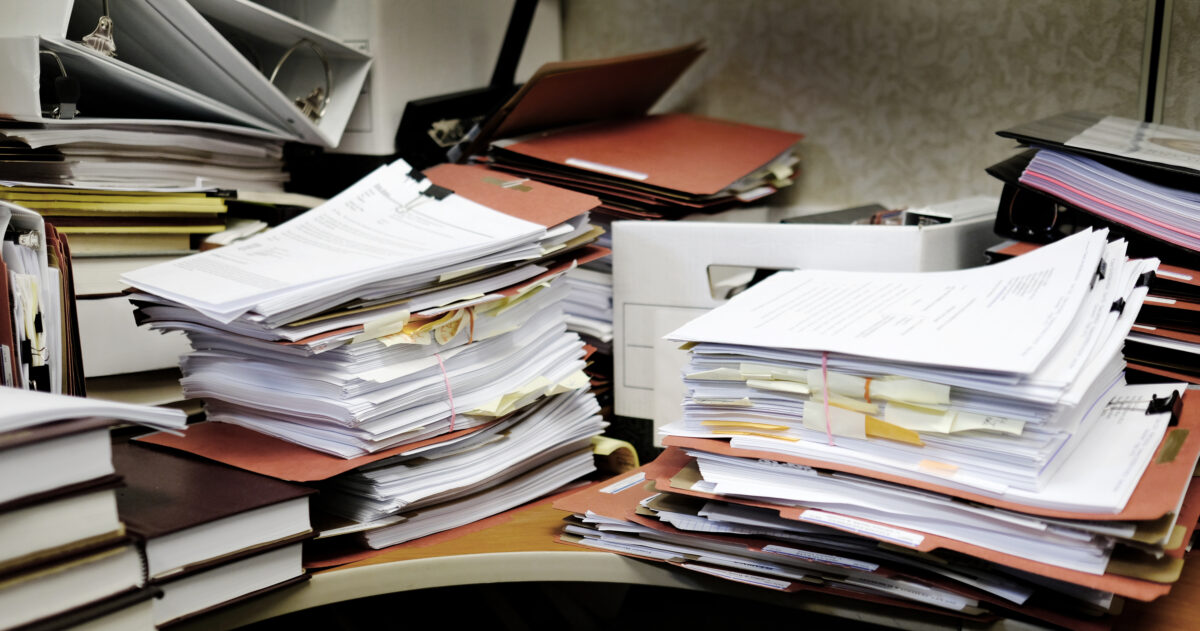
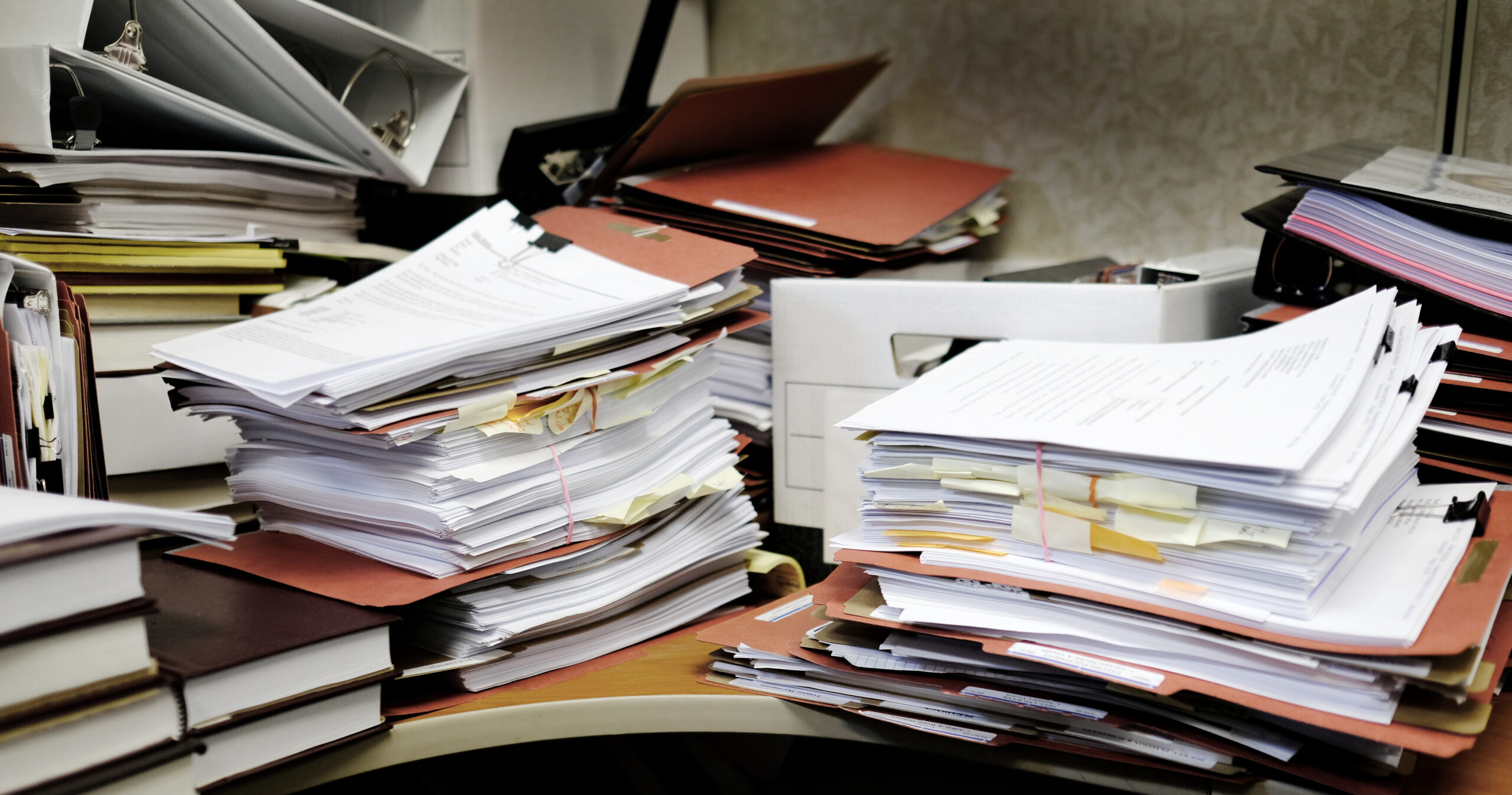
 Every growing company eventually runs into the same question: what do we do with all these records? Between contracts, invoices, HR files, and client documentation, the paper trail piles up fast, and most offices don’t have the square footage to hold onto it forever. The decision to store documents physically or convert them to digital files feels straightforward until compliance requirements, retrieval speed, and disaster risk enter the picture.
We help New York City businesses answer this question every day. As a full-service commercial moving and storage company with over 20 years in the industry, we have guided thousands of office relocations where records management became a central part of the plan. Whether a company needs a secure facility for physical files or a digitization strategy that reduces its footprint, we build the approach around what works for that business.
What Is the Difference Between Document Storage and Digital Archiving?
Document storage means keeping physical files in a secure, organized facility instead of a filing cabinet in the office. Digital archiving means converting those same files into searchable electronic records that live in a cloud system or server.
Neither approach replaces the other entirely for most companies. A law firm managing client confidentiality during a relocation may need offsite physical storage for records retained under state bar rules, while also digitizing frequently referenced documents for faster access.
How Does Physical Storage Protect Regulated Records?
Physical storage still matters for organizations under strict retention rules or legal discovery requirements. Original signatures, notarized documents, and certain financial or medical records often need to exist in unaltered physical form, and a professional facility protects them from humidity, pests, and unauthorized access far better than a supply closet.
This is especially relevant for financial institutions and government contractors, where audit trails and chain-of-custody documentation carry real legal weight.
When Does Digital Archiving Make More Sense?
Digital archiving shines when a company’s priority is speed, remote access, and reducing the clutter that comes with years of accumulated paperwork. Once files are scanned and indexed, staff can pull up a document in seconds instead of digging through boxes.
The National Archives and Records Administration published federal digitization standards in 2023 establishing requirements for digitizing permanent paper records so agencies can responsibly dispose of the original source documents once digital versions meet those standards. The principle holds for private businesses too, a point covered in the full NARA memorandum.
What Should a Business Weigh Before Choosing an Approach?
Before committing to either path, a business should take stock of what it actually has and what obligations attach to each category of record. This becomes especially clear during an office move, when years of postponed records decisions suddenly need answers fast. A few questions can help clarify the right mix:
- Retention requirements: Does this record need to be kept for a set number of years under industry or state regulations?
- Access frequency: Will staff reference this document regularly, or is it more of an archival safeguard?
- Legal standing: Does the original physical copy carry weight in court that a scanned copy would not?
- Space and cost: Is ongoing physical storage cheaper than a digitization project over time?
Answering these honestly for each category of records, rather than making one blanket decision for the office, produces a system that holds up during a move, an audit, or a growth spurt.
Why Timing Matters During a Relocation
Files that seemed manageable in a familiar office suddenly need to be sorted, boxed, and accounted for once a move is on the calendar. Building a records strategy into the plan early avoids last-minute scrambling and reduces the risk of anything being lost or damaged in transit.
How Sustainability Fits Into the Decision
Our reusable bin system saves more than 80 pounds of cardboard on every move. Digitizing records that do not need to remain in physical form fits the same mindset. Businesses that pair sustainable moving practices with a thoughtful records strategy often find the two reinforce each other. Records that must stay in physical form can move into secure storage built for long-term protection.
Choose the Right Records Strategy With CRS Moving & Storage
Deciding between document storage and digital archiving does not have to be an either-or choice. Most businesses land somewhere in the middle, keeping certain records physically secure while digitizing the files that need to move fast. The right mix depends on retention rules, access needs, and what a company can manage long term.
We work with New York City businesses across industries to build a records approach that fits their actual risk profile. If your business is planning a move or looking to get its records under control, reach out through our contact form to get started. We will look at what you are working with and recommend a path that makes sense for your team, from what stays on-site to what moves into secure storage or digital form.