
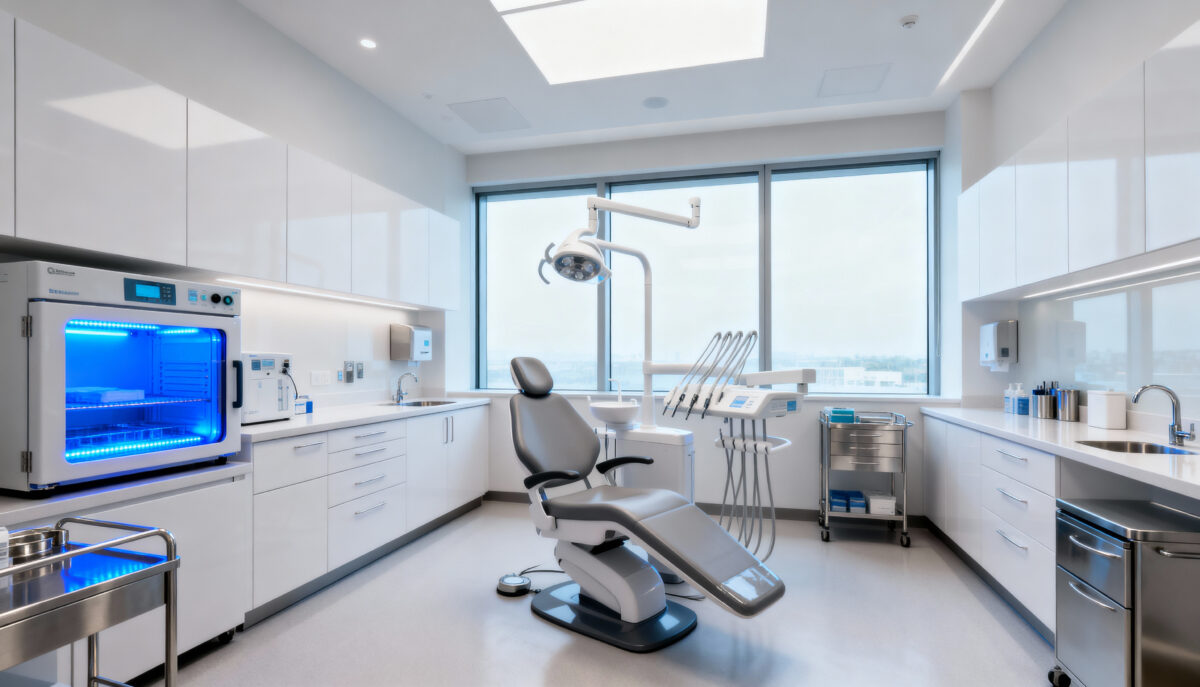

Relocating a dental practice requires careful planning to maintain the quality of care your patients rely on. From sensitive patient records to delicate equipment, every aspect of your move impacts your ability to serve patients without interruption. A poorly executed relocation can lead to appointment cancellations, lost records, and frustrated patients who may seek care elsewhere during the transition.
For dental practices in New York, CRS Moving & Storage brings over 20 years of commercial moving experience to healthcare relocations. With more than 5,000 completed office moves and specialized training in handling medical equipment and sensitive documents, we understand the unique challenges dental practices face during relocation. As a GSA contract holder, we meet strict federal standards for handling sensitive materials and maintaining security protocols throughout the moving process.
How Can You Maintain Patient Records During the Move?
Patient records represent the foundation of continuity in dental care. The Health Insurance Portability and Accountability Act (HIPAA) requires dental practices to protect patient information during all phases of a relocation, including physical transport of paper files and digital data backups. According to the U.S. Department of Health and Human Services, dental practices must ensure that moving companies sign business associate agreements before handling any materials containing protected health information.
Digital records require secure backup systems before any move begins. Cloud-based practice management software should be tested to confirm all patient data transfers correctly to your new location. For paper records, color-coded filing systems help track documents during the move and ensure nothing goes missing. Label each box with department codes rather than patient names to maintain privacy during transport.
What Steps Ensure Equipment Arrives Ready to Use?
Dental equipment represents a significant investment that requires specialized handling during relocation. X-ray machines, sterilization equipment, and dental chairs contain sensitive components that can malfunction if moved incorrectly. Professional movers experienced in healthcare relocations understand the technical requirements for disconnecting, transporting, and reinstalling these systems.
Manufacturers often provide specific instructions for moving dental equipment. Review these guidelines weeks before your move and share them with your moving team. Some equipment may require professional technicians to disconnect and reconnect systems, particularly for digital imaging equipment and computer-controlled chairs.
Schedule these technicians to work at both locations on moving day to minimize downtime. Sterilization equipment needs particular attention since any damage could compromise infection control protocols in your new office.
How Do You Communicate the Move to Patients?
Patient communication determines whether your relocation strengthens or weakens relationships with your practice. Start informing patients about the move at least two months in advance. During appointments, explain the reason for relocating and emphasize how the new location will improve their experience. Some practices move to accommodate growth, while others relocate to offer better parking or updated facilities.
Multiple communication channels ensure all patients receive the message. Send postcards with your new address and phone number to every patient in your database. Update your website homepage with a prominent announcement about the move, including a map to your new location.
Post about the relocation on social media platforms where patients may follow your practice. For patients with appointments during the transition period, make personal phone calls to reschedule or confirm their visits at the new location. Include information about parking, building access, and any changes to office hours during the first week at your new facility.
What Planning Reduces Disruption to Appointment Schedules?
Strategic scheduling minimizes the impact of your move on patient care. Many dental practices choose to relocate over a long weekend, allowing Friday for packing final items, Saturday and Sunday for the physical move, and Monday for setup and testing. This approach provides a buffer before resuming patient care on Tuesday. However, the complexity of your move may require more time.
Consider blocking out appointments for an entire week if your practice includes multiple treatment rooms or extensive equipment. Use this time to verify all systems function correctly before seeing patients. Schedule simple procedures like cleanings and consultations for your first week back rather than complex treatments that require multiple pieces of equipment.
This approach allows your team to identify and resolve any issues before performing more involved procedures. Coordinate with commercial moving companies experienced in phased relocations to move non-essential items first while keeping core treatment rooms operational until the last possible moment.
CRS Moving & Storage: Your Partner for Healthcare Relocations
CRS Moving & Storage provides comprehensive relocation services designed specifically for dental practices and other healthcare facilities in the New York area. Our reusable moving bins eliminate the need for cardboard boxes, saving over 80 pounds of cardboard per move while protecting sensitive equipment and records during transport. With a trained team that understands healthcare compliance requirements and experience moving more than 5,000 offices, we coordinate every aspect of your relocation from initial planning through final setup.
Contact us today to schedule a free consultation for your dental practice relocation. We provide a free move plan and logistics session to help you transition to your new location with minimal disruption to patient care.